We have completed about 16 km of sanitary drain-line rehabilitation in Singapore, in pipe sizes from 150 mm to 300 mm. Drain-lines are the smaller pipes that carry wastewater from buildings to the public sewer. The work ran from April 2024 to late 2026.
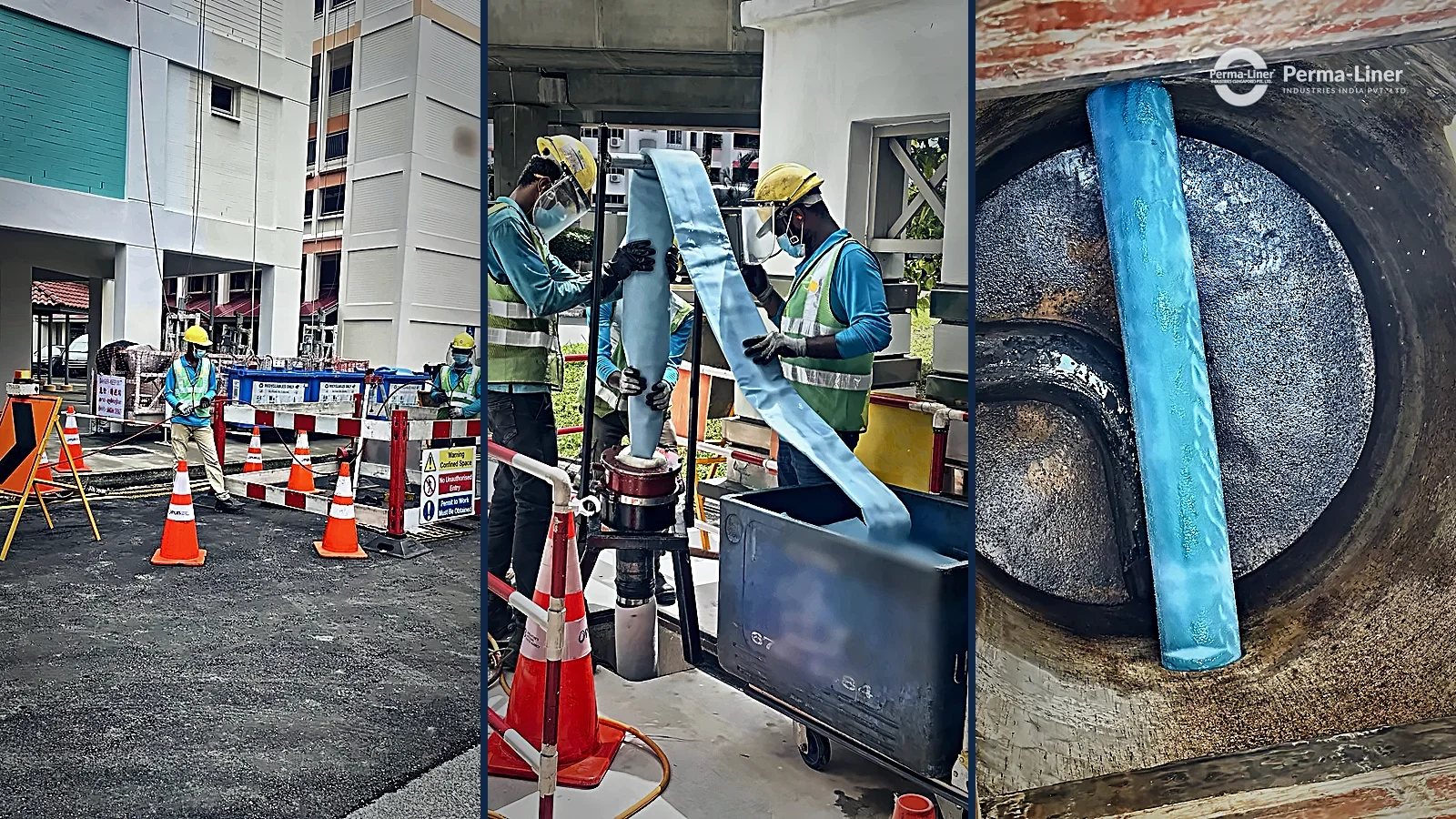
Most of the lines run beneath high-rise public housing estates in the north and west of the island, under void decks, car parks and estate roads. The work also covered condominiums, landed homes, schools and places of worship. These are lived-in neighbourhoods, with residents, children and older people close to every work front.
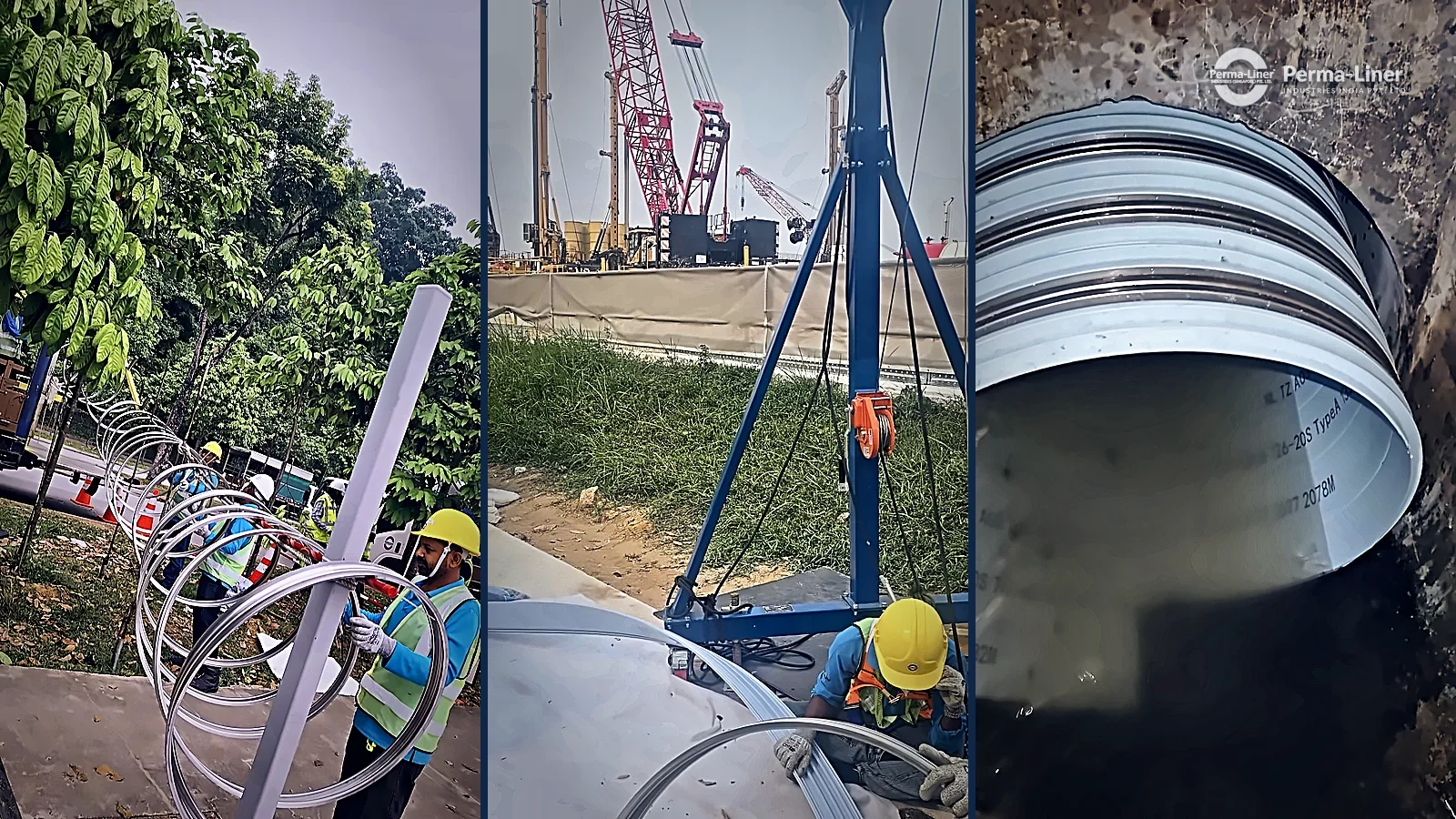
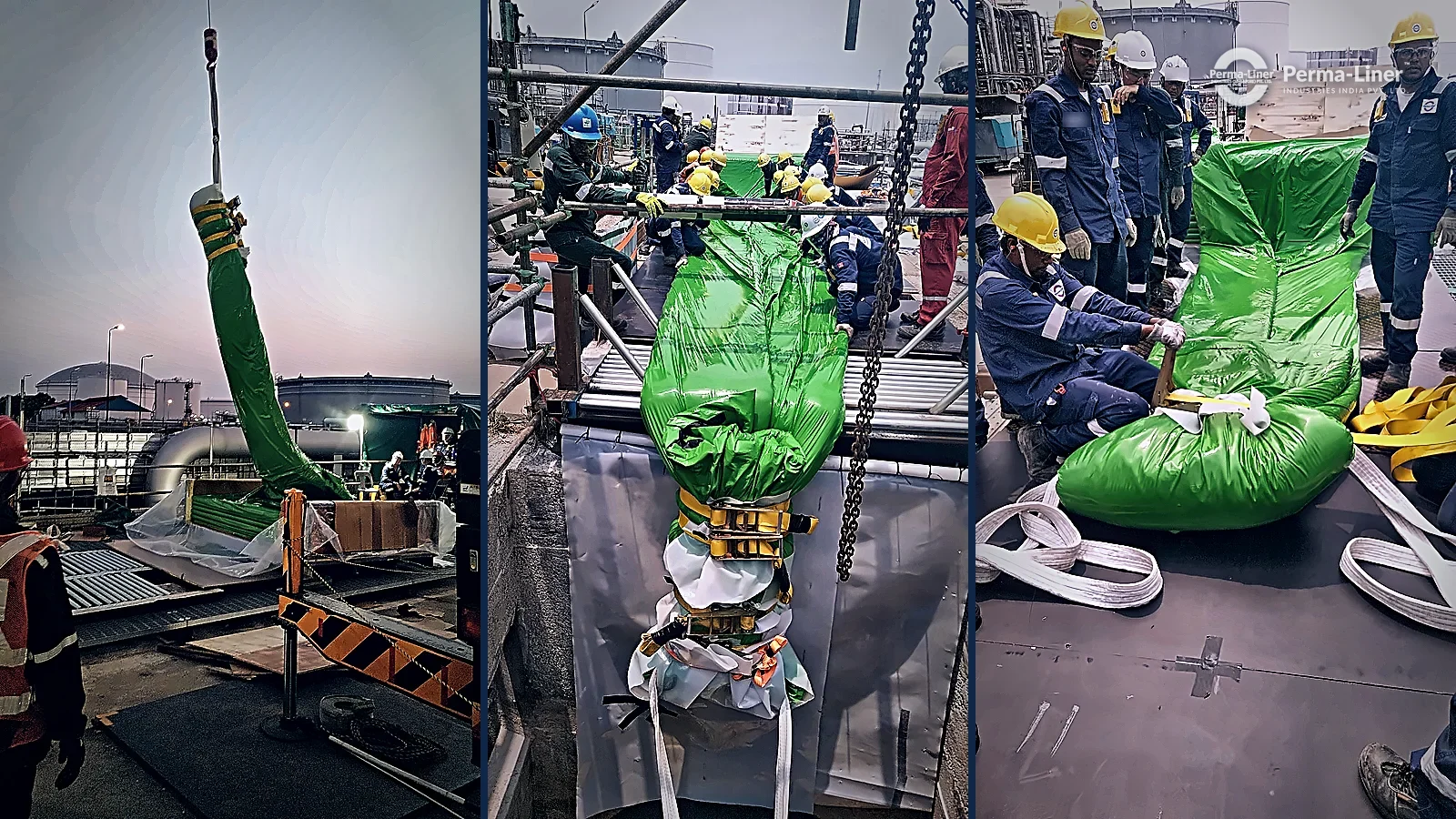
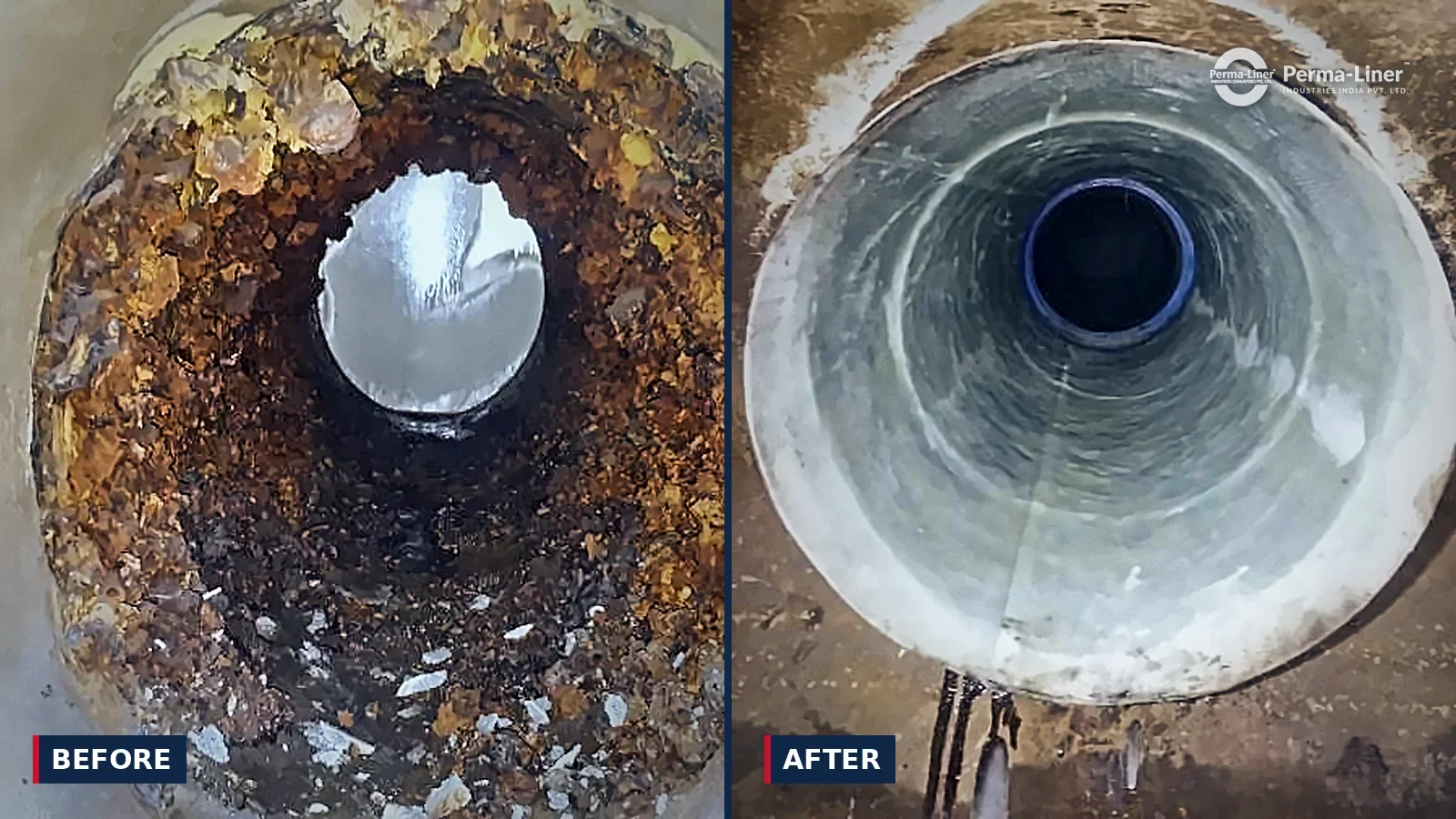
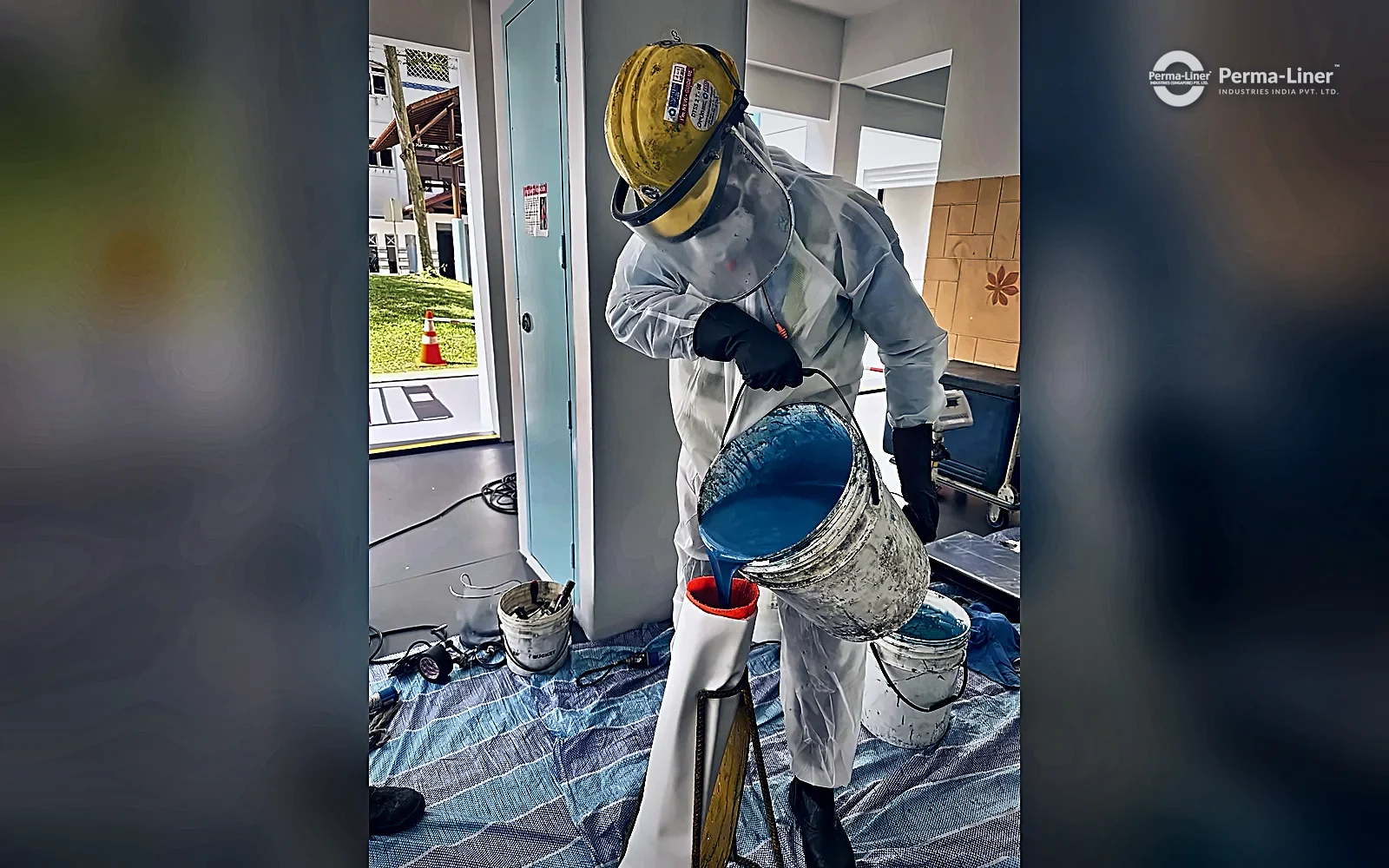
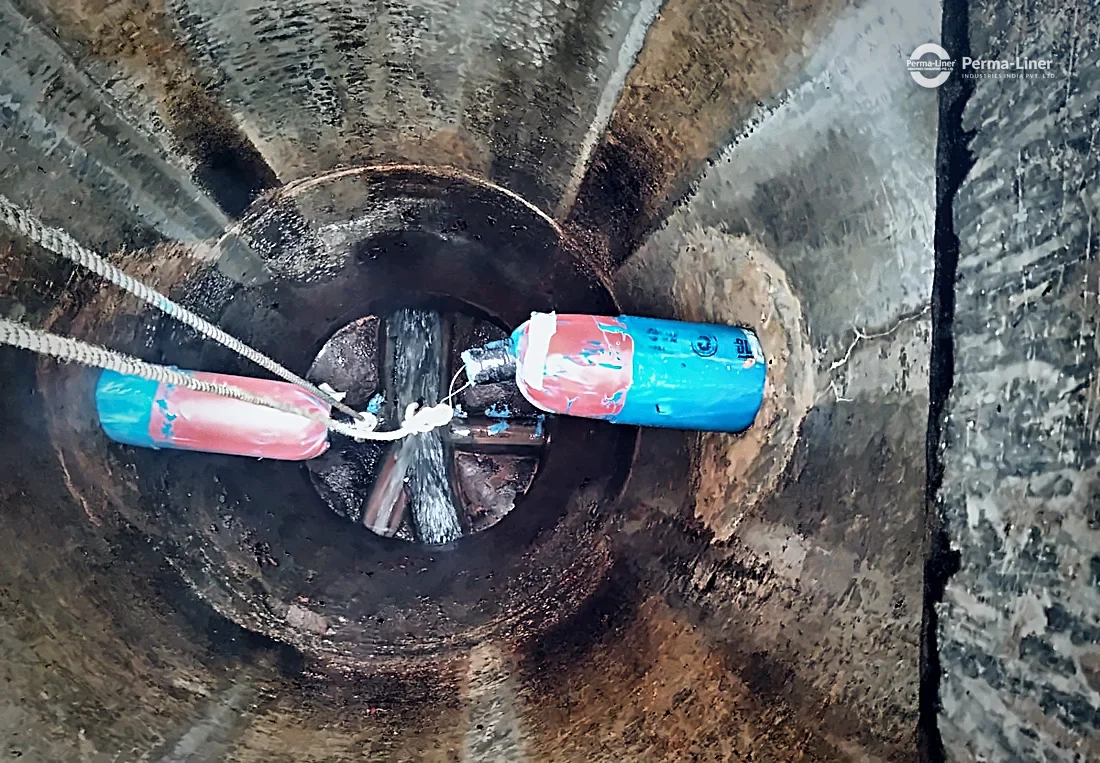
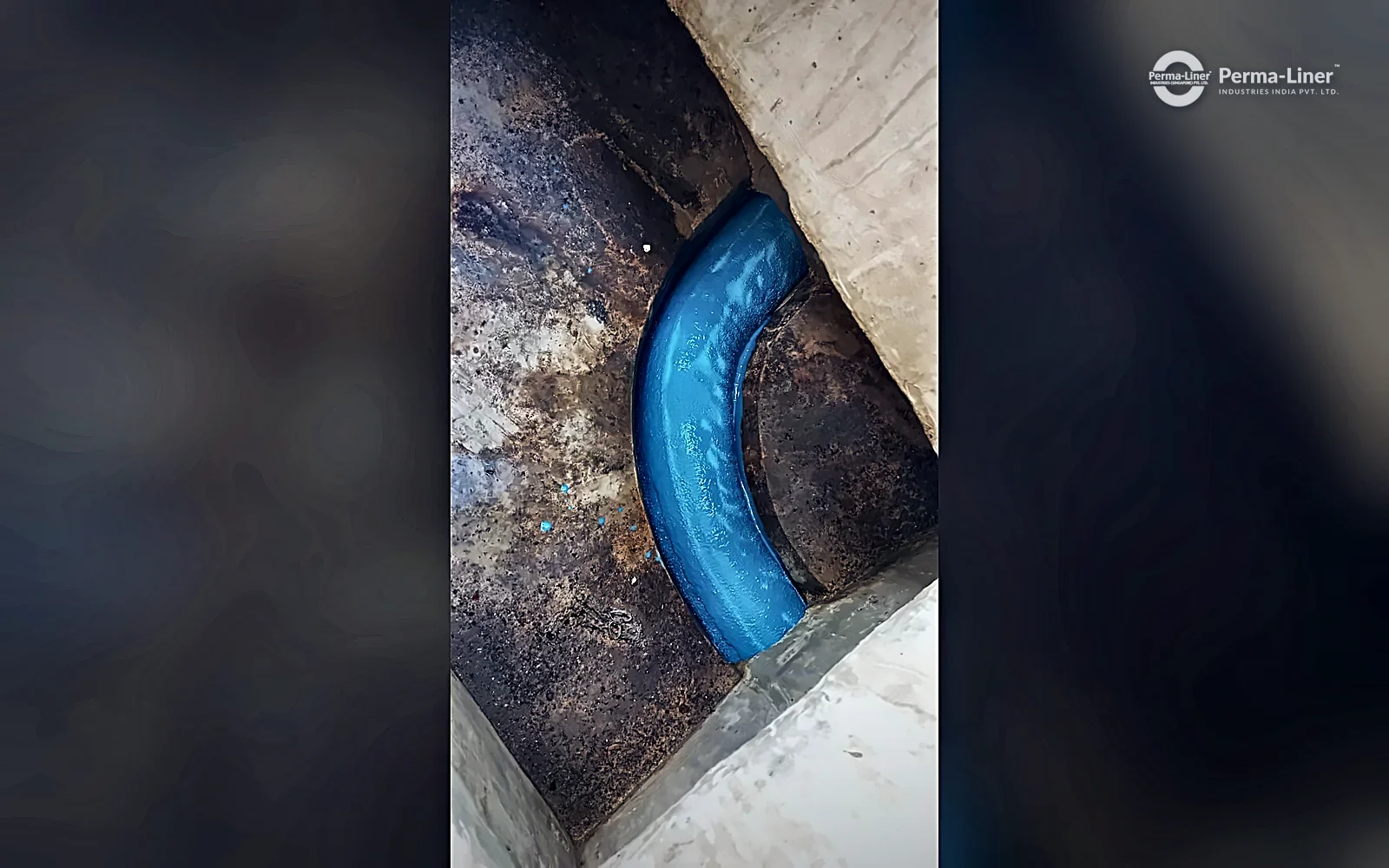
Each line was cleaned and inspected by CCTV, and the flow was controlled or diverted. Longer lengths were relined with resin-impregnated liners installed by inversion. Bends were renewed with pull-in liners, and local defects with patch liners. Branch connections were reopened by robotic cutter, and chambers were rehabilitated. Every line was inspected by CCTV again after lining.
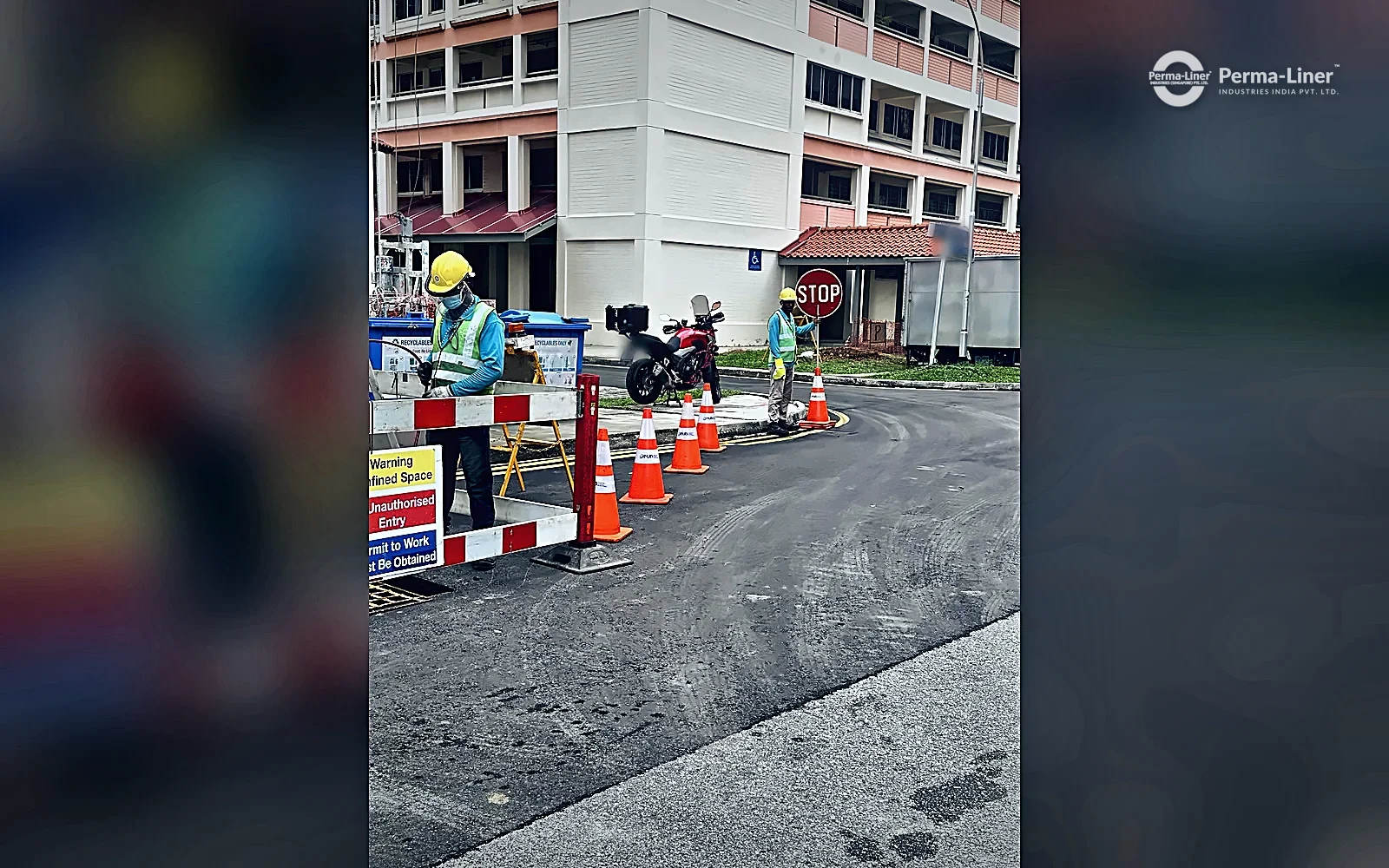
Working in occupied estates brought its own challenges. Residents and premises were notified before each batch of work. Work areas were kept compact and barricaded, and traffic was marshalled on estate roads. Where breaking out concrete would have been too noisy near homes and a childcare centre, we used patch repair and lining instead. Some inspection chambers were buried or could not be found, and had to be exposed first. Pipes that changed size along their length, and a foreign object in one line, were dealt with before lining. Schools, churches and condominiums each had their own access times and site rules.
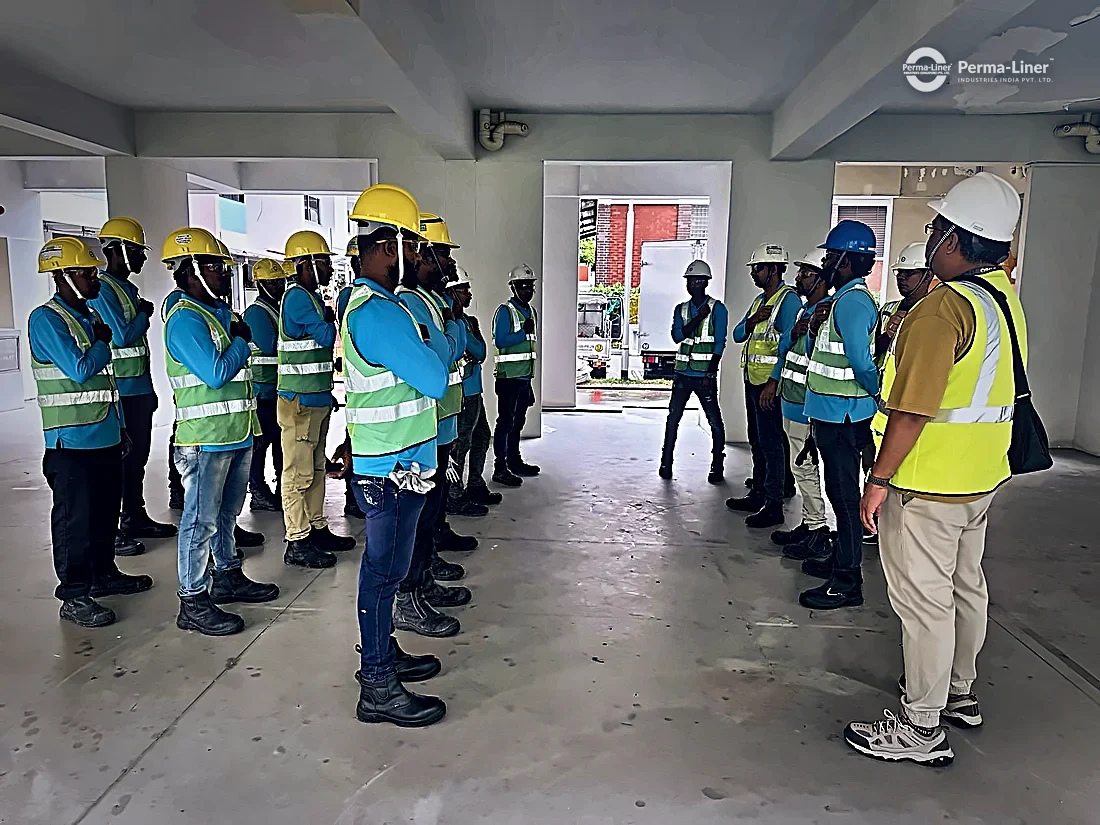
Work in live sewers is confined-space work. Every entry was made under permit, and rescue drills were held regularly. Heat stress was checked hourly, and each shift began with a toolbox briefing.
Figures are taken from the project records. Client and site names are withheld.